Introduction
Enteral feeding is a vital strategy made use of to provide nourishment straight into the stomach system for people that are unable to eat food by mouth. The value of understanding this ability can not be overemphasized, specifically in healthcare setups where people may rely upon enteral feeding for their survival and quality of life. This short article digs deep into the nuances of enteral feeding, drawing insights from skilled trainers and specialists in the field. We'll check out different aspects consisting of training techniques, person care, sorts of feeding tubes, and much more.
What is PEG Feeding?
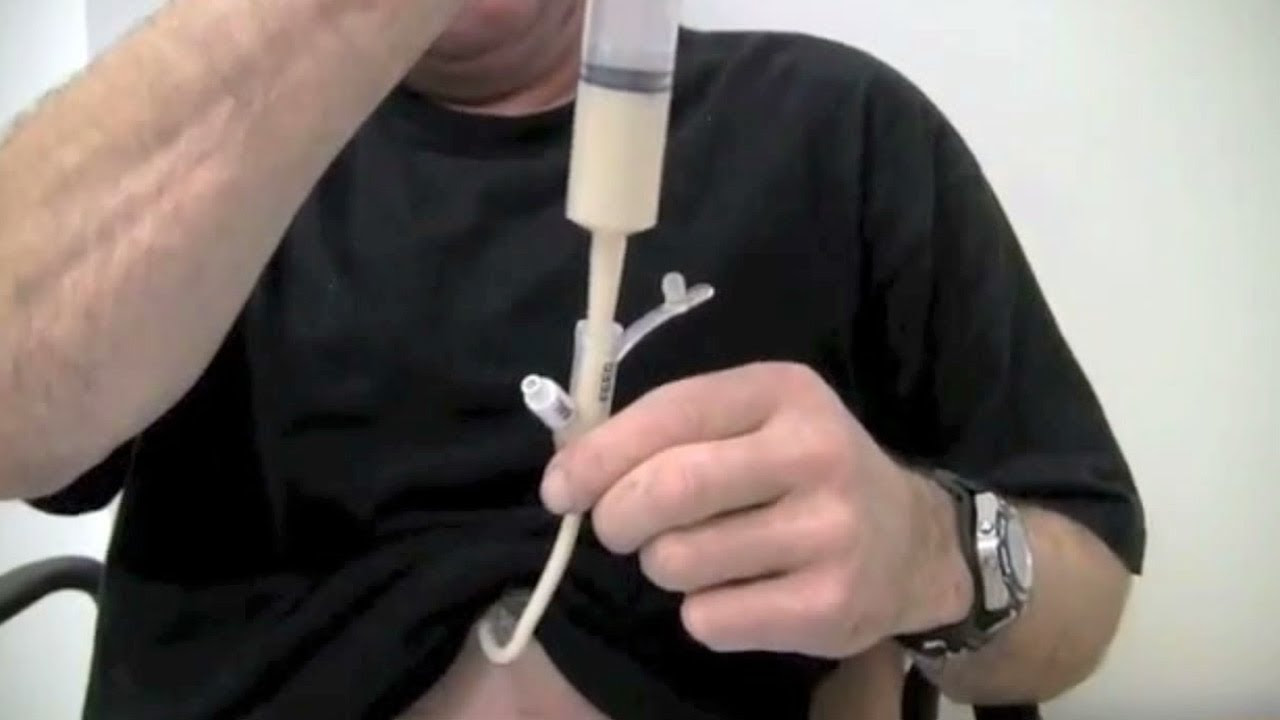
Percutaneous Endoscopic Gastrostomy (PEG) feeding is an approach of providing nutrition directly with a tube inserted right into the belly through an endoscopic procedure. It is commonly used for clients with swallowing troubles as a result of neurological problems, cancers cells, or other medical problems. Recognizing PEG feeding is crucial for medical care specialists involved in enteral nutrition support.
The Value of PEG Feeding
PEG feeding plays an important function in preserving dietary status among individuals that can not consume by mouth. It enables exact distribution of nutrients, hydration, and medicines as required.
- Nutritional Benefits: Provides necessary nutrients like proteins, carbohydrates, fats, vitamins, and minerals. Hydration: Ensures ample liquid intake which is essential for body organ function. Medication Management: Permits the administration of drugs directly into the gastrointestinal tract.
Enteral Feeding Assistance Course Overview
An enteral feeding support course furnishes healthcare providers with essential skills and understanding regarding enteral nourishment practices. These training courses commonly cover:
Course Curriculum
Basics of Enteral Nutrition Types of Feeding Tubes Techniques for Tube Placement Patient Assessment Nutritional Requirements Common ComplicationsWho Must Attend?
Healthcare experts such as registered nurses and assistance employees associated with patient treatment can profit significantly from this training.
Key Parts of Enteral Feeding Training
Understanding the basic components involved in enteral feeding can boost person outcomes significantly.
Assessment Skills
Before initiating any type of kind of PEG feeding, it's crucial to execute a comprehensive evaluation that includes:
- Patient's medical history Nutritional requirements based on diagnosis Physical assessment findings
Tube Types and Selection
Different types of feeding tubes serve numerous purposes:
Nasogastric Tubes: Temporary use; placed with the nose. Gastrostomy Tubes (PEG): Lasting; surgically put with the stomach wall. Jejunostomy Tubes: For people requiring post-pyloric feedings.Mastering Tube Placement Techniques
Proper tube positioning is essential for efficient enteral nutrition.
Guidance on Tube Insertion
Healthcare providers need to be learnt both physiological spots and techniques to ensure successful placement while decreasing person discomfort.
Best Practices Include:
- Using clean and sterile techniques Verifying tube placement using aspirate pH screening or X-ray
Understanding Enteral Feeding Formulas
Not all enteral formulas are produced equivalent; choosing the best one can make all the distinction in client recovery.
Types of Formulas Available:
Standard Nutritional Formula Specialized Formulas (for details illness) Elemental FormulasMonitoring Person Resistance and Complications
Once enteral feeding commences, continuous tracking ends up being crucial.
Signs of Intolerance
- Nausea or vomiting Abdominal distension Diarrhea
Strategies for Mitigation:
Importance of Continuous Education in PEG Training Courses
Healthcare specialists need to participate in long-lasting discovering to maintain current with finest techniques bordering PEG feeding.
Training Styles Available
Courses can be supplied via:

- Online components Hands-on workshops Clinical simulations
Advanced PEG Educating Techniques
For those already aware of fundamental procedures, advanced training offers much deeper insights into more complex situations such as:
Managing Facility Cases
Patients with comorbidities Pediatric factors to consider Geriatric populace nuancesCollaborating with a Multidisciplinary Team
Effective enteral nutrition calls for partnership across different disciplines.
Roles within a Multidisciplinary Group Include:
Dietitians: Examine nutritional needs and formulate diets. Nurses: Monitor feeding resistance and handle complications. Physicians: Look after therapy plans. Speech Specialists: Aid with swallowing assessments if applicable.Patient Education and learning on Enteral Feeding Practices
Empowering clients and caregivers guarantees far better adherence to recommended protocols.
Education Topics May Include:
How to take care of the PEG tube site. Recognizing indicators of infection or complications. Dietary adjustments if needed.FAQs Regarding Enteral Feeding Training Courses
1) What does ndis peg feeding training involve?
NDIS PEG feeding training entails specialized training courses made to inform service providers on best techniques connected to enteral nutrition support under Australia's National Impairment Insurance coverage Scheme (NDIS). The aim is to equip caretakers with abilities required to provide high-quality treatment customized to private needs.
2) The length of time does a common enteral feeding support course last?
Most programs range from eventually workshops to a number of weeks depending upon deepness and style (online vs hands-on). The size usually aligns with training course content intricacy covering both concept and useful applications effectively.
3) Exist requirements for peg training courses?
Generally talking, requirements might include prior health care experience or appropriate certifications such as nursing or allied health degrees but differ by establishment providing the training course itself.

4) Can signed up nurses administer PEG feeds after completion?
Yes! When trained properly with certified programs like peg training for nurses they obtain expertise allowing them securely carry out feeds adhering to recommended methods guaranteeing person safety throughout treatment phases!
5) What's covered in peg feeding certificate programs?
Typically these programs cover anatomy/physiology relevant intro together with useful abilities including tube insertion strategies management methods throughout treatments & & repairing common concerns developing throughout use!
6) Do I require recurring training after finishing my initial course?
Absolutely! Continuous education and learning pertaining to brand-new items advancements within modern technology maintains professionals educated about current criteria progressing keeping current making sure optimum patient care!
Conclusion: Grasping Your Skills in Enteral Nourishment Support
Mastering the art of enteral feeding needs dedication not only towards understanding technological skills however also fostering concern towards those reliant upon these life-giving procedures daily! Involving proactively within multidisciplinary teams peg training for support workers ensures detailed alternative method tailoring individualized strategies maximizing general health improving top quality living-- this trip doesn't end post-course conclusion rather it develops continuously enriching capacities empowering caretakers together with people alike transforming lives favorably everyday!
In closing let us keep in mind: "Knowledge shared breeds self-confidence supported." So take that leap invest time sources elevate method quality paving methods brighter futures ahead!